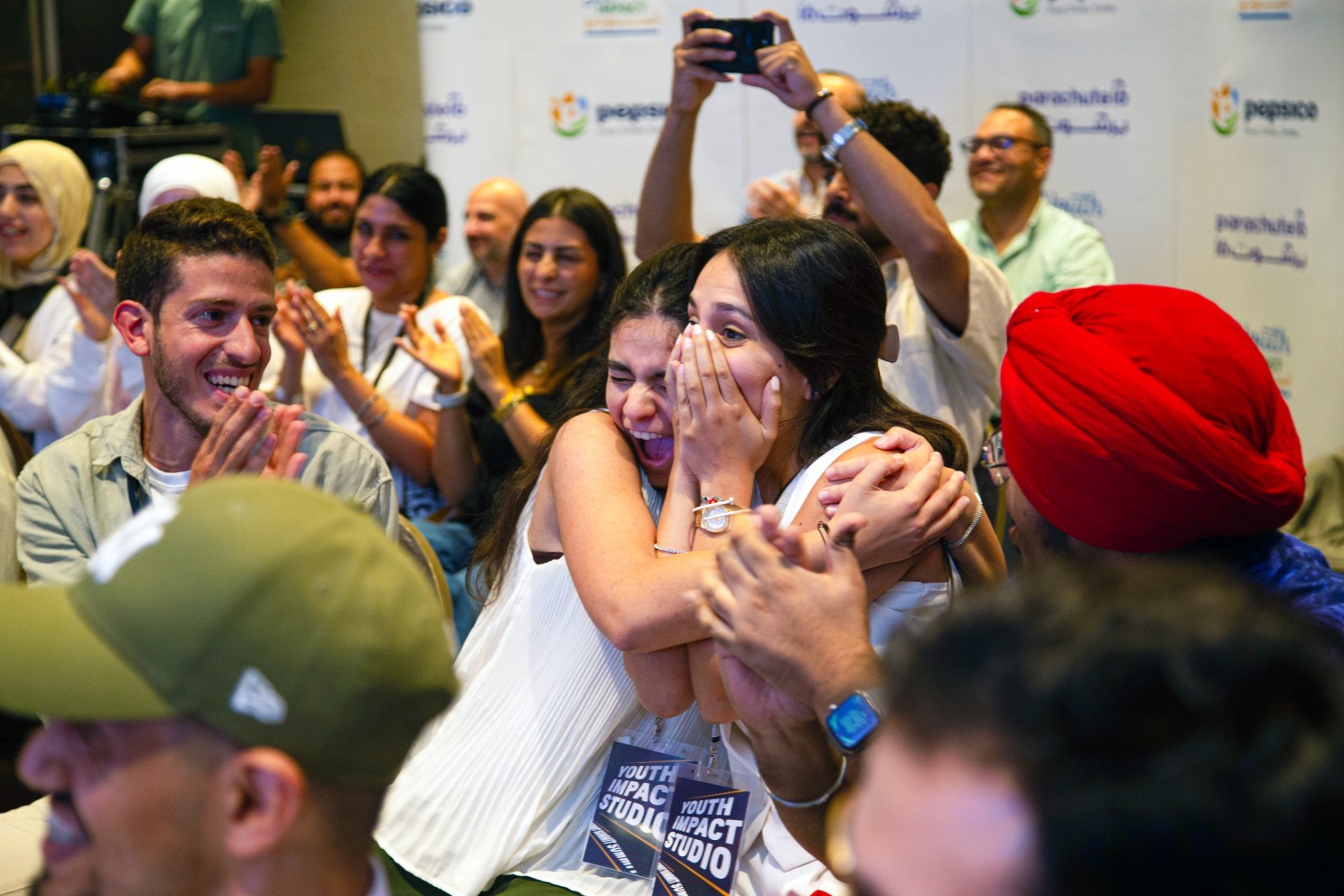
Youth Impact Studio 2026: Innovation Without Borders

Youth Impact Studio 2026 was built on a simple idea: young people should have the opportunity to shape the conversations, brands, and solutions that affect them.
The second edition brought together PepsiCo Middle East and parachute16 | برشوت16 to create a regional program for young talent across the Middle East. It combined PepsiCo’s commitment to youth empowerment with parachute16’s experience in entrepreneurship, innovation programs, and experience design.
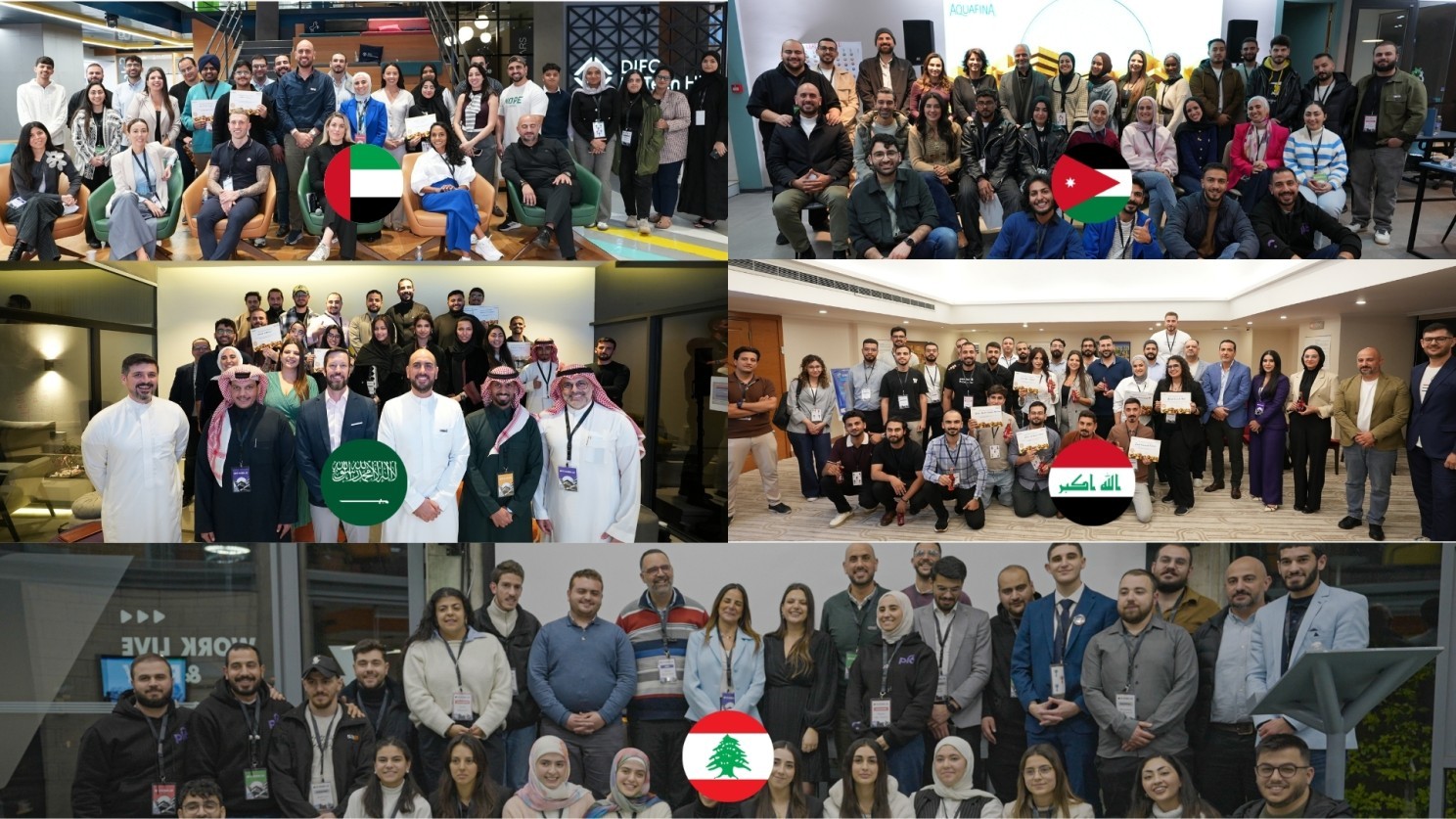
Delivered in Saudi Arabia, Jordan, Lebanon, the UAE, and Iraq, the program welcomed university students, recent graduates, young professionals, and creatives between the ages of 18 and 30.
Youth Impact Studio was more than a series of hackathons. It gave participants the tools, mentorship, and space to work on real brand challenges, develop their ideas, and learn how to turn creative thinking into practical solutions.
Giving Young People an Active Role
Young people are often invited to events as attendees or audiences. Youth Impact Studio gave them a more active role.
Participants became creators, problem-solvers, and storytellers. They worked on real PepsiCo brand challenges and explored how creative ideas could deliver commercial value while connecting with people in relevant and positive ways.
The program also reflected how the relationship between brands and younger generations is changing. Young people expect brands to listen to them, involve them, and create opportunities for genuine participation. Through Youth Impact Studio, PepsiCo engaged directly with emerging talent, gained first-hand insights into youth perspectives, and strengthened its connection with communities across the region.
For participants, it was an opportunity to build their skills through practice rather than theory.

A Clear Process for Developing Ideas
The program followed a five-stage framework:
Discover. Ideate. Create. Test. Evolve.
Each stage helped participants move their ideas forward.
During the discovery stage, teams examined the challenge, the target audience, and the cultural context. They were encouraged to question their assumptions and better understand the needs, behaviors, and motivations of the people they wanted to reach.
During ideation, teams generated different possibilities before selecting the ideas they believed had the most potential. They then moved into creation, where those ideas began to take the form of campaigns, strategies, prototypes, and stories.
Testing gave teams the chance to present their thinking, receive feedback from mentors, and identify gaps in their approach. In the final stage, they refined their concepts and prepared them for presentation.
The goal was not simply to produce a final pitch. Participants learned how good ideas are researched, developed, tested, and improved.
Five Countries, Five National Hackathons
The national hackathons were at the center of the program.
Each country hosted a two-day, in-person hackathon that followed the same overall methodology while responding to its own market and cultural context.
Participants in Saudi Arabia and the UAE worked on challenges related to Pepsi Zero. Jordan and Lebanon focused on Aquafina, while teams in Iraq responded to a challenge related to Sting.
Working with different brands allowed participants to think about the consumers, trends, and creative environment in their own countries. At the same time, the shared format connected the five hackathons as part of one regional program.
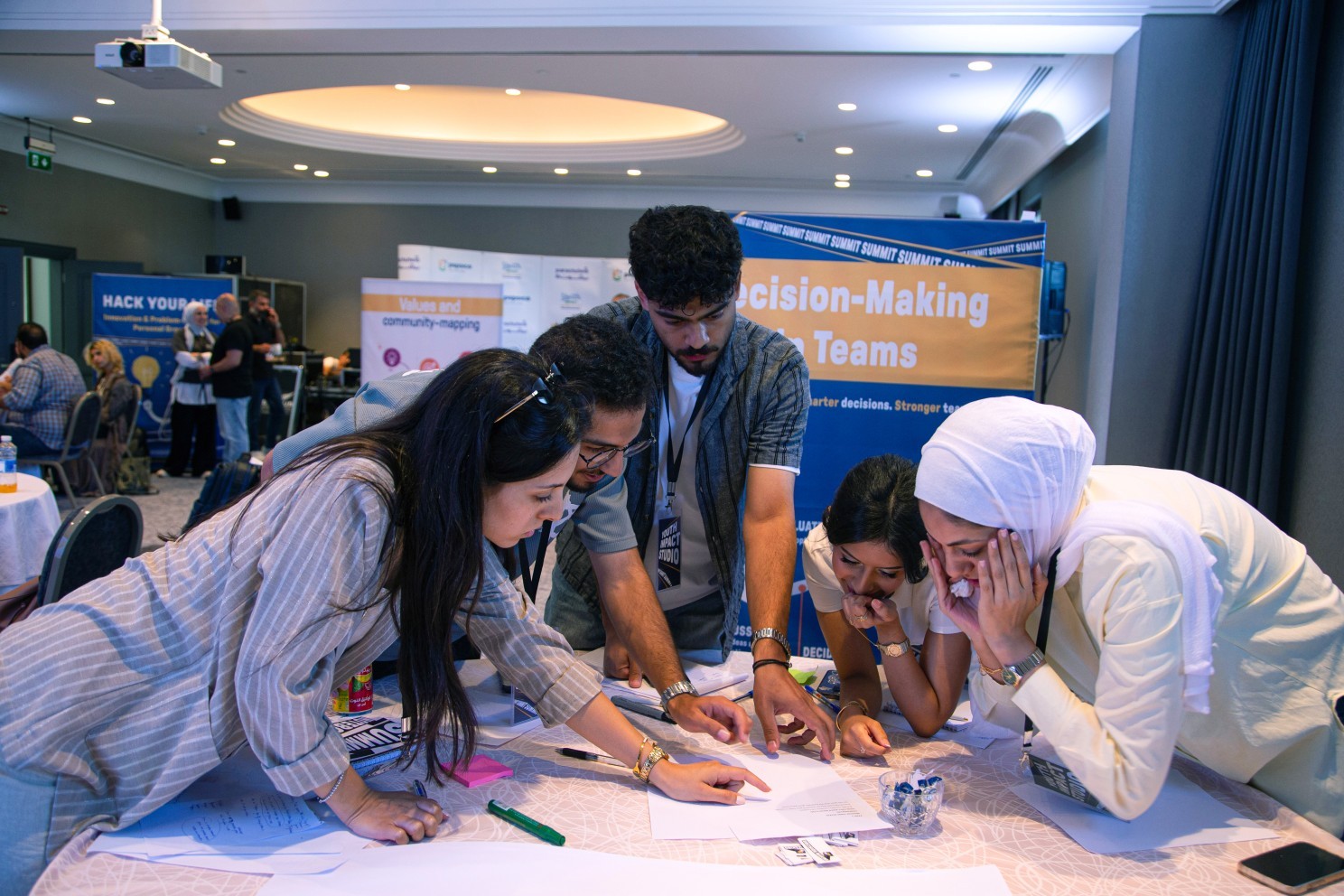
Participants worked in small teams with support from entrepreneurs, marketing professionals, mentors, speakers, ecosystem leaders, and industry experts. Sessions covered innovation, design thinking, storytelling, marketing strategy, teamwork, and pitching.
The hackathons combined structured learning with teamwork, experimentation, and the pressure of developing an idea within a limited time. Workshops, activities, mentor meetings, and feedback sessions were all planned as part of the participant experience.
At the end of each hackathon, teams presented their concepts to a judging panel. The selected participants from each country then continued to the Regional Summit in Amman.
Bringing the Region Together in Amman
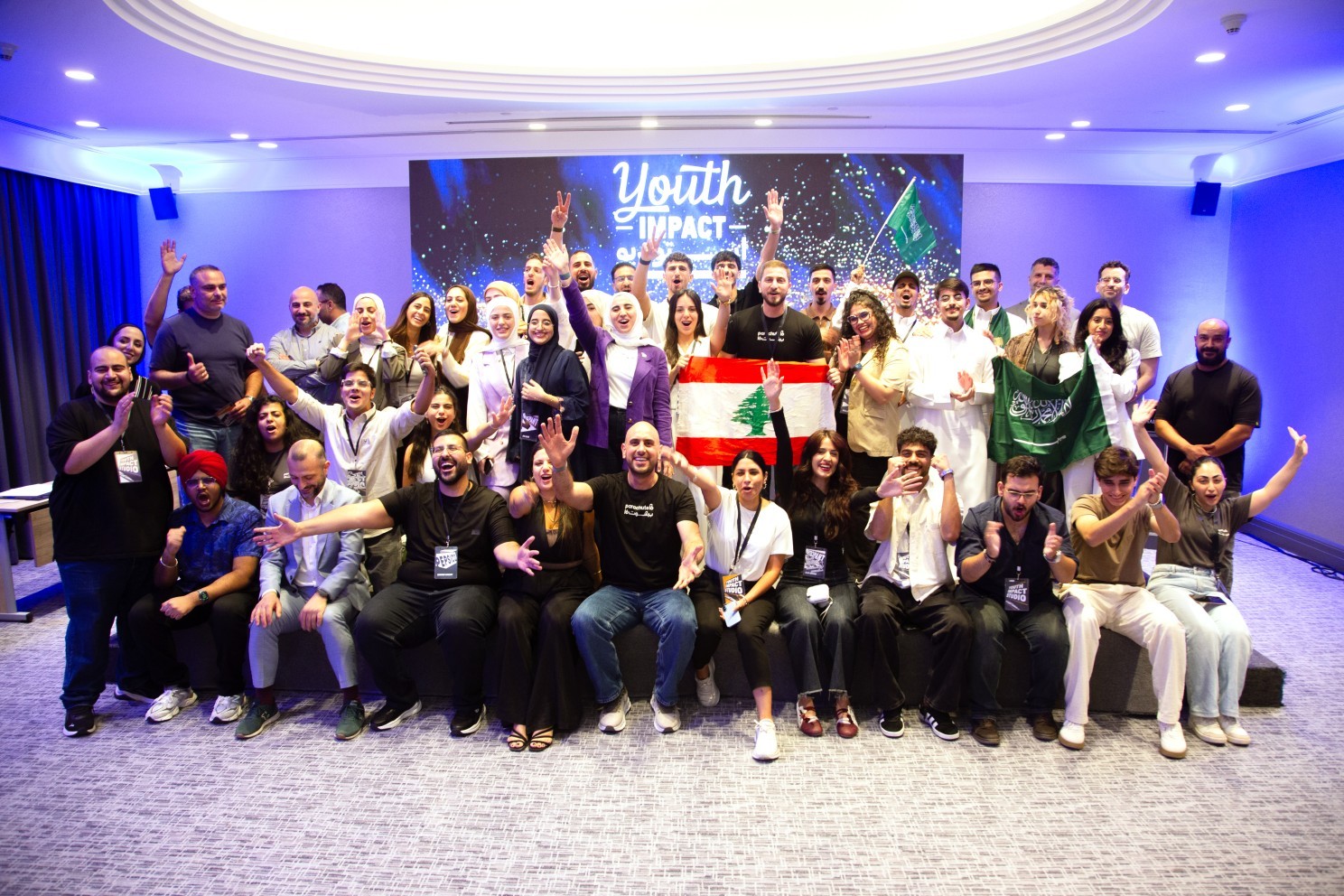
The Regional Summit brought together 25 participants from the five countries.
Once they arrived in Amman, participants were placed in new multinational teams. They had to move beyond the working relationships they had built during the national hackathons and collaborate with people from different countries, markets, and creative backgrounds.
This made the summit a new challenge rather than a repeat of the national experience.
Participants had to build trust quickly, communicate across differences, adapt to new team dynamics, and develop ideas under pressure. The sessions focused on leadership, emotional intelligence, strategic thinking, creative confidence, and cross-cultural collaboration.
The experience showed how regional diversity can strengthen creativity. Different perspectives challenged familiar ways of thinking and helped teams develop ideas informed by both local knowledge and shared experiences across the Middle East.
The final presentations reflected more than the quality of the concepts. They also showed how much the participants had developed during the program—in their confidence, communication, self-awareness, and ability to work with others.
At the end of the summit, five participants, one from each country, were selected for the opportunity to visit PepsiCo’s Global Hub in Dublin, Ireland.
What Participants Took Away
The value of Youth Impact Studio went beyond the campaigns and concepts developed during the program.
Participants learned how to structure an idea rather than wait for inspiration. They practiced presenting their thinking clearly, received direct feedback from experienced professionals, and saw how constructive criticism could make an idea stronger.
They also experienced how innovation works in practice. Ideas changed through discussion, disagreement, testing, and revision. Teams had to manage their time, divide responsibilities, make decisions, and adjust their approach when something did not work as expected.
Because they worked on real brand challenges, participants gained experience that could not be recreated through a theoretical exercise. They strengthened skills in leadership, teamwork, resilience, problem-solving, storytelling, and strategic thinking.
These skills will remain useful well beyond the program.
Creating Value for Young People and PepsiCo
Youth Impact Studio was created to offer clear value to both participants and PepsiCo.
Participants gained practical tools, professional exposure, mentorship, regional connections, and a platform where their creativity was taken seriously.
For PepsiCo, the program created a direct channel for engaging younger audiences. It provided insights into youth culture and consumer perspectives, generated content based on real participant experiences, and built stronger relationships with local innovation communities.
It also showed how brands can invite young people to contribute rather than only communicate with them as consumers. Participants had a role in shaping ideas, narratives, and solutions connected to the brands they encounter in their everyday lives.
A Model That Can Grow
Behind the participant experience was a structured model that could be applied consistently across different countries while still allowing room for local adaptation.
The program covered outreach and recruitment, national hackathons, mentorship, expert sessions, judging, finalist selection, and the Regional Summit. Shared materials, tools, and communication systems helped create one program identity across all five countries.
At the same time, each market had its own participants, partners, mentors, speakers, brand challenge, and cultural context. This balance allowed the program to feel connected at the regional level without losing its local relevance.
The same model can be adapted for future editions, new markets, different sectors, and new brand challenges while keeping its main purpose: giving young people an active role in innovation.
The Impact Continues
Youth Impact Studio 2026 showed what can happen when young people are trusted with real challenges and given the support to develop their ideas.
Participants from Saudi Arabia, Jordan, Lebanon, the UAE, and Iraq entered the program with different experiences and perspectives. They left with stronger skills, new regional relationships, greater confidence, and a clearer sense of what they could contribute.
The program’s success was not limited to the final presentations or the participants selected for Dublin. It could also be seen in the ideas that changed through feedback, the participants who became more confident in expressing themselves, and the connections built between young people from five different countries.
Through their partnership, PepsiCo and parachute16 created a program that brought together business challenges, practical learning, creativity, and youth engagement in one regional experience.
The 2026 edition may have ended, but the skills, ideas, and relationships developed through it will continue.